What to Pack for Nairobi
Complete packing checklist tailored to Nairobi's climate and culture
Climate Overview for Nairobi
Nairobi's temperate climate delivers steady, moderate weather every month. Cool breezes greet you at dawn and dusk. Daytime warmth feels gentle, never brutal. The air smells of fresh rain drifting in from the Rift Valley. Sunlight dances through scattered clouds above jacarandas and bougainvillea. Altitude sharpens the sun, so lotion matters. Sudden showers glaze the streets. Pack layers, not parkas. Mornings call for a sweater, afternoons for a tee, and you should always stash a rain jacket.
Clothing & Footwear

Uneven pavements rule Nairobi's city center and markets. Cobblestones in older districts test your arches. Crowded sidewalks punish flimsy footwear. Bring supportive shoes or regret it.

Humidity climbs after Nairobi rains. Laundry services quote 24 hours turnaround. Quick-dry fabric beats the damp. Wash in your hotel sink. Wear again by breakfast.

Space is gold in Nairobi. Business meetings at dawn, safari dust by noon. Packing cubes separate crisp shirts from Nairobi National Park grit. Roll tight, zip, go.

A zippered daypack is non-negotiable. Carry water, a fleece, and Maasai Market finds. Hands stay free. Pickpockets stay frustrated.
Electronics & Gadgets
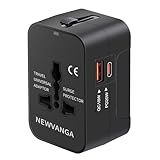
Kenya runs on Type G plugs. Three chunky pins, British style. The Travel Adapter USB C model handles hotels, lodges, and Java House cafes. One adapter, zero headaches.

GPS drains fast between Karen Blixen Museum and Giraffe Centre. A high-capacity power bank saves the day. Outlets vanish inside safari vans.

Pack two braided nylon cables. Charge phone and camera at once. Daily packing and unpacking fray lesser cords. These survive Nairobi routines.
Noise-canceling buds hush Nairobi traffic. They help on red-eye flights too. Not important, but pleasant.
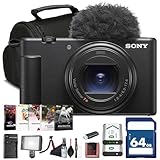
Your phone works. A compact camera works better. Capture Nairobi skyline at sunset, then zoom on orphaned cheetahs. No bulky DSLR needed.
Toiletries & Health

Clear TSA bag speeds security. Holds 100 ml liquids. Altitude pressure may pop lids. Contain the mess before it spreads.

Bandages, antiseptic, ibuprofen. Small kit, big relief. Scrapes happen on lava-stone paths. Headaches follow Tusker lagers. Fix fast.
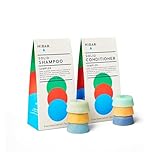
Solid shampoo bars skip liquid rules. No leaks in your duffel. Nairobi water lathers them well. Counter space is scarce in tented camps.
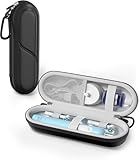
A plastic case shields your toothbrush from red dust. Simple comfort, not luxury.

Pill organizer keeps doses straight. Time zones confuse routines. Enough supply for the whole Nairobi stay.
Documents & Security
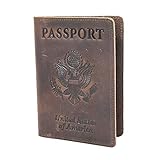
RFID wallet guards passport, visa, boarding passes. Nairobi hotels ask for ID at check-in. Keep them handy.

Money belt hides Kenyan shillings and a spare card. Wear under shirt in busy downtown streets. Peace of mind.
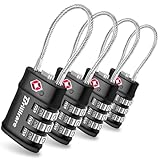
Lock zippers on buses and hostel drawers. Small deterrent, big payoff. Buy TSA-approved locks.
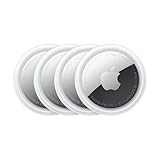
Bright tag spots your bag on the Jomo Kenyatta carousel. Not foolproof, but reassuring.
Comfort & Convenience

Neck pillow saves your spine on the overnight flight. Doubles as cushion on dawn safari drives.

Eye mask blocks 6:30 AM Nairobi sun. Use it on planes and during jet-lagged naps.

Foam plugs mute traffic and mosque calls. Light sleepers rejoice. They weigh nothing.
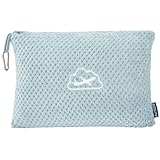
Personal blanket comforts chilly flights. Most Nairobi hotels provide duvets. Pack only if you run cold.

Collapsible bottle fits any pocket. Refill with hotel-filtered water. Altitude plus equatorial sun equals thirst.

Rain can ambush you outside April season. A sturdy umbrella keeps you dry from Sarit Centre to taxi stand.
Outdoor & Hiking Gear
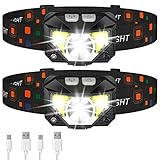
Headlamp lights pre-dawn safari departures. Hands stay free for camera. Skip it if you lodge in city hotels.

Filter straw suits hardcore hikers leaving Nairobi for Loita Hills. City and safari lodges serve safe water. Leave it home unless camping wild.
Seasonal Packing Adjustments
What to add or skip depending on when you visit
Long Rains
April, May
Add: Waterproof jacket with hood, Quick-dry trousers, Sturdy waterproof shoe covers
Shop Long Rains essentials →Rain in Nairobi during these months is more persistent and can be heavy. You will see water rushing in roadside gutters and feel the humid air cling. Your umbrella is essential, but a jacket provides better mobility. Plan indoor activities for the afternoon, when rainfall is most likely.
Short Rains
November, December
Add: Lightweight rain jacket, Fast-drying scarf or shawl
Shop Short Rains essentials →Showers are briefer but can be intense. You will smell the damp earth immediately after a downpour. A packable rain layer is sufficient. Mornings are often clear, so schedule outdoor visits to Nairobi's parks and gardens early.
Dry Seasons
January, February, June, July, August, September, October
Add: Lip balm with SPF, High-factor sunscreen, Lightweight long-sleeved shirt for sun protection
Shop Dry Seasons essentials →Skip: Heavy rain gear
Nairobi's sun is strong due to the altitude. You will feel its intensity on your skin even when the air feels cool. Dust levels can be higher, so you might see a slight haze. Sun protection is critical, and a light layer shields your arms during peak hours.
Luggage Recommendation
A medium-sized checked suitcase (around 24-26 inches) combined with a carry-on backpack is good for Nairobi. This allows for layered clothing, shoes, and any purchases. Hard-shell luggage protects contents from dust during road transfers. Ensure your carry-on contains all critical medications, electronics, a change of clothes, and toiletries in case of delayed checked baggage. For those incorporating a safari, a soft-sided duffel bag is often easier to fit into small plane compartments or safari vehicles than a rigid frame suitcase.
Shop Carry-On Luggage on AmazonPro Packing Tips
Practical advice from experienced travelers
Don't Pack
- Heavy winter coats. Nairobi's coolest temperatures rarely justify a bulky coat. A medium-weight jacket or fleece with layers beneath is adequate.
- Excessive amounts of bottled water. You can purchase large, affordable bottles of water at any Nakumatt or Tuskys supermarket in Nairobi upon arrival.
- Formal evening wear. Most restaurants and venues in Nairobi, including those in Westlands, have a smart-casual dress code. A nice pair of trousers and a collared shirt or a casual dress is sufficient.
- Voltage transformers. Kenya's voltage is 240V. Modern electronics like laptops and phone chargers are typically dual-voltage (110-240V). You only need the plug adapter, not a heavy transformer.
- Large quantities of snacks. Nairobi has excellent supermarkets like Carrefour at The Hub Karen where you can buy local and international snacks.
- Beach towels. Unless you are visiting the coast after Nairobi, hotels provide towels. For a trip to places like Lake Naivasha, a quick-dry travel towel is more practical than a bulky beach towel.
Buy Locally
- Local SIM card with data. Purchase a Safaricom or Airtel SIM at the kiosk in the arrivals hall of Jomo Kenyatta International Airport. It is inexpensive and provides immediate connectivity for maps and communication.
- Kenyan shillings. Withdraw local currency from ATMs at the airport or in the city center (Barclays or Standard Chartered banks are reliable). Avoid exchanging large sums at airport counters, as rates are less favorable.
- Insect repellent. Brands effective against local mosquitoes are widely available in Nairobi pharmacies like Goodlife or supermarkets. This allows you to buy a small bottle appropriate for your stay.
- A lightweight Maasai shuka (blanket). These colorful, cotton blankets are good for an extra layer on cool Nairobi mornings or as a souvenir. Buy one at the Maasai Market for a better price and selection than at the airport.
Packing Hacks
- Roll clothes instead of folding to save space
- Pack shoes in shower caps to protect clothes
- Use packing cubes to stay organized
- Keep essentials in your carry-on
Continue Planning Your Trip
More guides to help you prepare